Weight loss can be life-changing. Whether it followed pregnancy, bariatric surgery, a medically supervised program, or years of steady lifestyle changes, it often represents remarkable persistence. Yet reaching a healthier, more comfortable weight does not always bring the physical ease a person expected. Loose skin may fold over the lower abdomen, pull uncomfortably at the thighs, rub during exercise, or make clothing fit in ways that feel disconnected from the work they have done.
In my practice, I meet patients who have been told to simply keep exercising. Exercise is invaluable for strength, cardiovascular health, mood, and weight maintenance. But it cannot reliably remove skin that has lost elasticity after substantial stretching. A body lift is a surgical option designed for a different concern: excess, hanging skin and the changed contours it can create after major weight loss.
As a board-certified plastic and reconstructive surgeon physician, I approach post-weight-loss contouring as both a technical and personal process. The goal is not to erase every sign of a patient’s journey. It is to create a better-proportioned, more comfortable contour while making thoughtful choices about scars, safety, healing, and the life the patient wants to return to.
Why exercise can strengthen the body but not tighten significant loose skin
Skin has elastic fibers that help it stretch and recoil. Pregnancy, weight changes, aging, and genetics all influence how well those fibers rebound. When the skin has been stretched for a long time or by a substantial amount, it may not retract enough to lie smoothly against the body after weight loss.
Strength training can build muscle beneath loose skin, which may improve shape in selected areas. It cannot remove a skin apron, repair skin-on-skin friction, or reposition tissue that hangs below the lower abdomen or across the outer thighs. Similarly, a stable nutrition and fitness routine remains essential after surgery, but it is not a substitute for removing surplus skin.
The distinction matters because it helps set a realistic, empowering goal. Post-weight-loss patients are not failing when their skin does not “bounce back.” They may simply have a structural concern that calls for a surgical solution.
What a lower body lift is designed to address
A lower body lift, sometimes called a belt lipectomy, or an 'around the world' is a comprehensive body-contouring procedure. It removes excess skin and reshapes the lower torso through an incision that generally extends around the body in a pattern tailored to the individual. Unlike an isolated tummy tuck, which focuses primarily on the front of the abdomen, a lower body lift can address the front, sides, back, buttock region, and outer thighs in one surgical plan.
Depending on anatomy and goals, a lower body lift may address:
Loose lower-abdominal skin or an overhanging pannus
Skin folds that contribute to moisture, chafing, irritation, or hygiene challenges
Excess skin along the flanks and lower back
Flattening or descent of the buttock area after weight loss
Outer-thigh laxity that changes the line of pants, dresses, and activewear
A circumferential “deflated” appearance that cannot be addressed from the front alone
Not everyone needs or wants a circumferential procedure. Some patients are better suited to an abdominoplasty, thigh lift, arm lift, breast procedure, or a staged combination of surgeries. The correct operation is not necessarily the largest operation. It is the one that responsibly addresses the concerns that matter most to you.
Body lift vs. liposuction vs. noninvasive contouring
These treatments are often discussed together, but they solve different problems. A clear understanding of that difference is one of the most useful parts of a body-contouring consultation.
Liposuction targets localized fat, not significant skin laxity
Liposuction removes pockets of fat through small access points. It can be an excellent contouring tool for a patient whose skin quality is good and whose concern is a specific area of fullness. In some body-lift plans, carefully selected liposuction may help refine transitions or improve contour.
However, when a patient has considerable loose skin, liposuction alone may leave the skin more visibly lax because volume has been removed without excising the excess envelope. I am careful not to frame liposuction as an answer to a concern it is not designed to solve.
Noninvasive treatments may suit modest concerns
Noninvasive body-contouring technologies can be appropriate for select patients with modest fat deposits or mild skin-quality concerns. They do not remove large amounts of hanging skin, treat an abdominal pannus, or recreate the lifting effect of surgical tissue removal. For someone who has lost a significant amount of weight, a nonsurgical option may be part of a broader skin-care or wellness plan, but it should not be presented as equivalent to a body lift.
A body lift removes and repositions tissue
The defining feature of a body lift is surgical excision of excess skin, combined with elevation and redraping of the remaining tissue. This is why it can make a meaningful difference in persistent folds and the way the lower body sits in clothing. It also explains why scars and recovery deserve a detailed, candid conversation before a patient decides to proceed.
The consultation: turning a body goal into a surgical plan
At RenewalMD, I begin by listening. A patient may arrive saying, “My stomach is the problem,” then explain that the real daily frustration is chafing beneath the fold, excess skin shifting during a workout, or the need to choose clothing several sizes larger to accommodate the lower abdomen. Another patient may be most bothered by the way their outer thighs and buttocks have changed after weight loss. These details guide planning far more effectively than a generic request to “tighten everything.”
During consultation, I evaluate skin quality, the distribution of excess tissue, prior scars, body proportions, and areas of fat fullness. We discuss medical history, medications and supplements, nicotine exposure, previous abdominal operations, future pregnancy plans where relevant, and the support available at home during recovery. I also ask patients to show me, in clothing or with a gown, where they notice pulling, rubbing, or a loss of contour.
“A successful body-contouring plan begins with honesty: what is bothering you functionally, what change is possible surgically, and what tradeoffs you are prepared to make for that change.”
I use before-and-after photographs as an educational tool during appropriate consultations. They help patients see the range of body shapes, scar patterns, and degrees of improvement that can occur with post-weight-loss contouring. They are not a promise of a matching outcome. Every patient begins with different skin quality, anatomy, healing biology, and goals.
Who may be a good candidate for post-weight-loss body contouring?
Candidacy is about more than a number on a scale. In general, I look for patients who have reached a weight they can maintain and whose weight has been stable long enough for their body and routines to settle. Ongoing major weight loss after a body lift can affect the contour achieved, while significant weight gain can stretch the tissues again. If a patient's weight fluctuates after surgery, the distribution of weight is often into new 'trouble spots'.
Health optimization is a core part of safety. Depending on your history, this may include coordination with your primary care clinician or bariatric team, review of nutritional status, management of chronic conditions, and an individualized discussion about medications. Protein intake, hydration, and correction of nutritional deficiencies can be particularly important for patients who have undergone weight-loss surgery. Nicotine in any form can interfere with wound healing, so a nicotine-free plan is essential before and after surgery.
A good candidate also understands that a body lift is a substantial operation, not an overnight transformation. You should have the ability to take time away from strenuous work, arrange help with children or pets, and follow lifting, positioning, garment, wound-care, and activity instructions. The patients who navigate recovery best are often the ones who plan for it with the same care they brought to their weight-loss journey.
Incision planning: a frank conversation about scars
Body lift scars are meaningful, and I never minimize that. The tradeoff for removing significant loose skin is a longer incision. In a lower body lift, the incision is usually planned around the lower torso, with placement individualized to the amount and location of excess skin, existing scars, underwear and swimwear preferences, and the needed lift of the outer thigh or buttock.
Thoughtful incision design is central to natural-looking contouring. I plan the scar so that, when possible, it can be more readily covered by many undergarments and clothing choices. But coverage can never be guaranteed across every style or body position. Scar maturation is gradual. Early scars can look firmer or more noticeable, then often continue to evolve over many months. Your postoperative plan may include guidance on scar care once your incisions have healed appropriately.
Patients sometimes ask whether a smaller scar can accomplish the same correction. Occasionally, a more limited procedure is appropriate. But a shortcut incision can leave untreated laxity in the flanks, back, or thighs. My responsibility is to explain what each approach can and cannot accomplish, then help you choose a plan that aligns with your priorities.
A realistic recovery timeline for cooler-weather planning
Cooler-weather months can be appealing for body-lift recovery. Looser layers may feel more comfortable, there may be fewer beach or pool obligations, and patients can use the season to establish a measured healing routine. Still, surgery should be timed around your actual calendar and support system—not a season alone.
The first several days: protection, movement, and support
Immediately after surgery, patients should expect soreness, swelling, fatigue, and restricted mobility. You will be encouraged to walk short, frequent distances as directed to support circulation, while avoiding strain on healing incisions. Depending on the procedure, you may need to maintain a slightly flexed posture at first rather than standing completely upright. You will need a responsible adult to assist you during the earliest recovery period.
The first two weeks: healing is the priority
This is typically the period when a patient’s daily world is smallest: rest, short walks, prescribed medications, nutrition, hydration, incision care, and follow-up appointments. Drains may be used in certain surgical plans and are managed with detailed instructions. Desk-based work may be feasible for some people during this phase, but it depends on the scope of surgery, pain control, commute demands, and how comfortably they can move. Caring for young children, lifting laundry baskets, and driving too early are common practical challenges that should be planned around.
Weeks three through six: gradual return, not a race
Energy and mobility often improve gradually, though swelling and tightness remain normal parts of the healing process. Patients may begin to feel more like themselves in everyday clothing, but that does not mean internal healing is complete. I guide activity progression individually. Strenuous workouts, heavy lifting, core-intensive movements, and lower-body training need to wait until they are appropriate for your healing stage.
The months ahead: contour settling and confidence in clothing
As swelling resolves and scars mature, the contour continues to declare itself. For many post-weight-loss patients, one of the most meaningful milestones is not a mirror moment. It is putting on jeans without managing a fold of skin, choosing a fitted top without relying on strategic layering, or moving through a workout with less rubbing and distraction. These changes unfold over time, and follow-up care remains an important part of protecting your result.
A patient journey, from private frustration to a more aligned silhouette
Consider a typical composite journey from my post-weight-loss consultations. A patient has maintained her weight, exercises regularly, and feels proud of what her body can do. Yet she still wears longer tops over leggings because the lower-abdominal skin shifts uncomfortably, and warm-weather walks leave her with recurring irritation in the skin fold. She wonders if she should just work out harder.
At consultation, we separate what exercise can improve from what surgery may address. We discuss a lower body lift because her concerns extend beyond the front of the abdomen to the flanks and outer thighs. We review the scar, recovery help, nutrition, and whether a staged approach would better fit her family and work responsibilities. The decision is not rushed.
During healing, she focuses on the unglamorous but vital work of rest, walking as instructed, attending appointments, and allowing swelling to settle. Later, her before-and-after review is about proportion and function as much as appearance. The aim is not to create someone else’s body. It is to help her outer contour better reflect the strength, commitment, and stability she has built.
Choosing an experienced surgical partner in Savannah and Statesboro
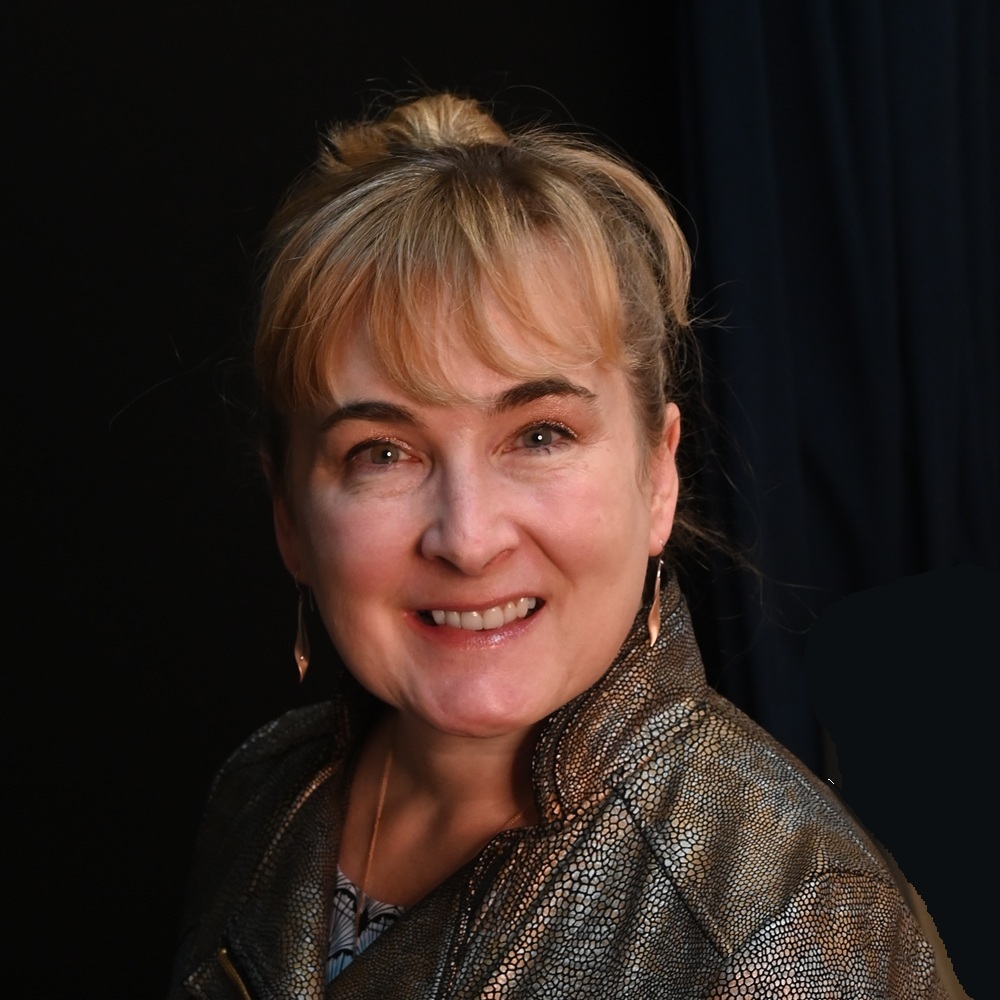
Post-weight-loss body contouring requires careful judgment. I am Dr. Meghan McGovern, MD, founder of RenewalMD and a board-certified plastic and reconstructive surgeon. My training spans cosmetic and reconstructive procedures, and my approach is patient-first: clear education, meticulous planning, and natural-looking results that respect your individual anatomy.
If loose skin, friction, or a changed silhouette is keeping you from feeling fully at home in your body after weight loss, it is reasonable to explore your options. A consultation can clarify whether a lower body lift, another contouring procedure, or a staged plan fits your goals and your life. Are You Ready for Renewal? Schedule a consultation with RenewalMD to begin a thoughtful conversation about what comes next.