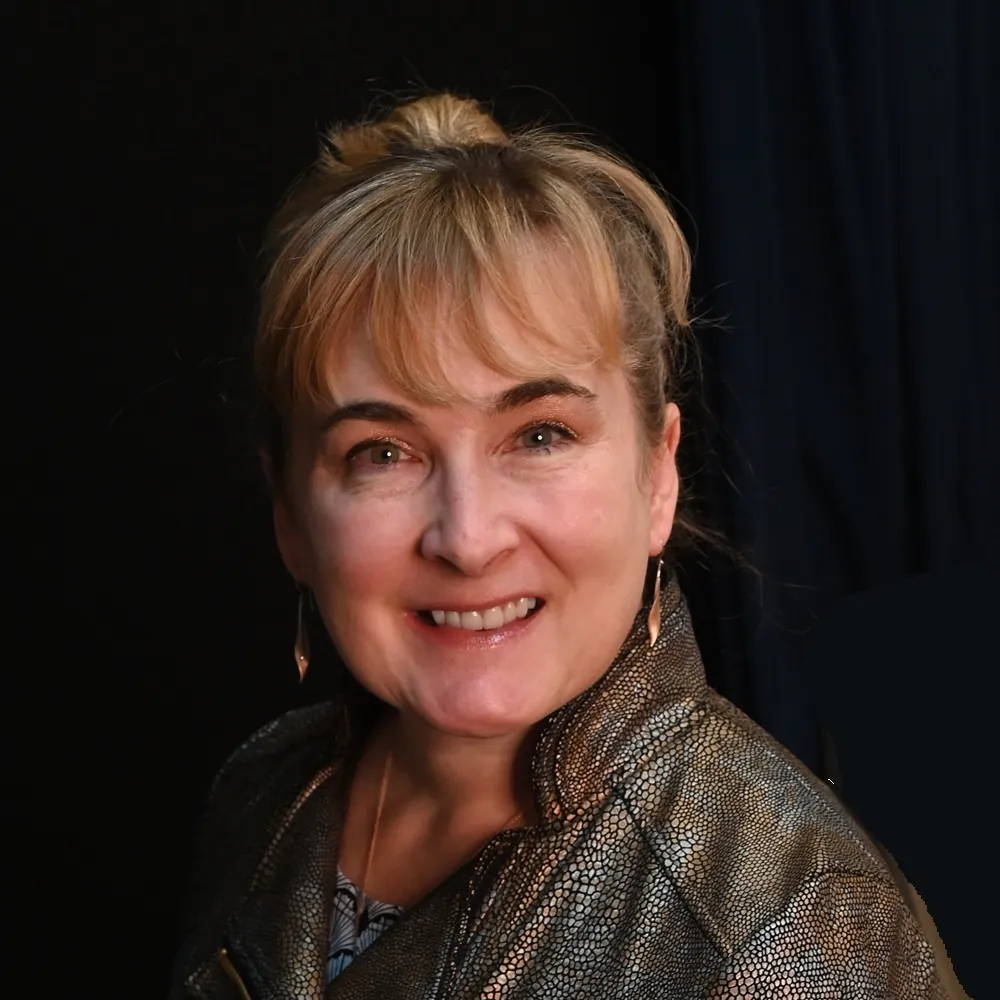
As holiday invitations begin to fill the calendar, many adults take a closer look at the changes that do not disappear with a better night’s sleep, a thoughtful skin-care routine, or a little more concealer. Mild to moderate looseness through the lower cheeks, along the jawline, and around the lower face can make the face appear less defined—even when you still feel energetic and like yourself.
For the right patient, UltraClear may offer a measured, incision-free way to address a degree of skin laxity without committing to facelift surgery. At RenewalMD, I approach this treatment with the same careful planning I bring to surgical facial rejuvenation: first understand the anatomy, then define what is realistically possible, and finally choose the treatment that respects the patient’s features rather than chasing a trend.
November can be a particularly practical time to start that conversation. Cooler weather, fewer high-UV outdoor days, and the natural rhythm of the season can make it easier to plan protected healing time before the social calendar accelerates. The goal is not to promise an overnight transformation for a party. It is to make an informed plan for collagen renewal and natural-looking refinement in the months ahead.
UltraClear is not a “non-surgical facelift”—and that distinction matters
UltraClear is a laser-coring procedure designed to remove very small columns of skin from a targeted treatment area. Unlike energy-based treatments that work by heating tissue, laser-coring physically removes a controlled amount of skin while leaving the surrounding skin in place. The tiny openings are intended to heal without the long incisions associated with a surgical facelift.
The treatment is commonly considered for adults with early-to-moderate skin laxity in the lower face. A patient may notice that the skin at the lower cheeks no longer sits as smoothly as it once did, that the jawline has softened, or that makeup settles differently around the lower face. Those are meaningful concerns, but they do not automatically mean every patient needs—or wants—a facelift.
It is equally important to be clear about what UltraClear does not do. It does not reposition deeper facial structures the way a facelift can. It does not restore volume that has been lost through the temples, cheeks, or around the mouth. It is not a substitute for surgery when laxity is substantial, nor is it a one-treatment answer for every concern that appears in the mirror.
The most useful consultation is not the one that forces every concern into one procedure. It is the one that identifies which layer is creating the concern—skin, volume, tissue descent, texture, or a combination—and builds a plan from there.
As a board-certified, plastic surgeon, I assess the lower face with this distinction in mind. My hands-on experience with both surgical and non-surgical facial rejuvenation helps me explain where UltraClear may fit and where another option would be more honest, more effective, or safer for the patient’s goals.
How laser-coring supports visible skin renewal
During the UltraClear treatment, a handheld device creates and removes microscopic cores of skin within the selected area. The skin’s healing response then begins. Over time, the treated skin contracts and remodels as part of that process, and the body’s collagen response supports gradual improvement in skin quality and laxity.
Collagen is a structural protein that contributes to the skin’s support and resilience. We naturally make less of it as time passes, while sun exposure, environmental stressors, and normal facial movement can influence the appearance of the skin. UltraClear’s appeal is that it addresses a limited amount of excess skin directly while relying on the body’s own healing process for gradual remodeling.
Why gradual change can be a benefit
Patients sometimes arrive hoping to look completely different by a specific event. I understand that desire, especially around the holidays. Yet the most elegant facial rejuvenation often reads as subtle: friends may notice that you look rested, refreshed, or somehow more like yourself. With UltraClear, the visible evolution is not meant to resemble an abrupt surgical change. Healing and collagen remodeling take time.
This is why I encourage patients to view November treatment as an investment in the season ahead rather than a last-minute appointment before Thanksgiving or a holiday photo session. The early recovery period is only one part of the timeline. The longer arc of tissue remodeling is where a thoughtful patient can appreciate the procedure’s natural-looking character.
Who may be a candidate for UltraClear?
A consultation is the only responsible way to determine candidacy. In general, UltraClear may be worth discussing if you are bothered by mild-to-moderate lower-face laxity and want to explore an option that does not involve facelift incisions. Many candidates are looking for meaningful refinement, not a dramatic change in facial identity.
During your visit at RenewalMD, I evaluate skin quality, degree and location of laxity, facial proportions, volume distribution, prior treatments, medical history, medications, and healing considerations. I also ask a question that often changes the recommendation: What are you hoping to see when you look in the mirror?
UltraClear may be considered when skin laxity is the primary concern and there is enough skin quality and elasticity to support appropriate healing.
Other non-surgical treatments may be discussed when texture, pigmentation, volume loss, or dynamic lines are more central to the concern.
A facelift consultation may be more appropriate when there is more advanced jowling, neck laxity, or deeper tissue descent than laser-coring can reasonably address.
Timing may need adjustment if you have an active skin issue, a medical factor that could affect healing, or an upcoming obligation that does not allow sufficient recovery time.
There is no prize for choosing the least invasive option if it is not the right option. Similarly, there is no need to move directly to surgery when a less invasive plan may align with your anatomy and goals. Patient empowerment begins with an accurate assessment, not a label such as “non-surgical facelift.”
What a November UltraClear journey can look like
Every plan is individualized, but a patient journey often begins well before treatment day. The following is the kind of process I guide at RenewalMD, from the first conversation through the longer-term follow-up that matters just as much as the procedure itself.
The consultation: identifying the real concern
A patient may initially say, “My face looks heavier at the bottom,” or “My jawline has disappeared in photos.” We start by listening, then evaluate the face in motion and at rest. I may use photographs as part of the planning process to document baseline features and discuss treatment areas with precision. If a patient elects to share before-and-after images, that is done only with appropriate consent and with attention to consistent photography and honest context.
Sometimes the consultation confirms that lower-face skin laxity is the dominant issue and UltraClear is a reasonable fit. Other times, it reveals that volume restoration, resurfacing, neuromodulator treatment, surgery, or a staged approach would better serve the patient. A good consultation can be valuable even when the answer is not the procedure you expected.
Treatment day: focused care and clear instructions
On treatment day, the planned areas are reviewed again. The skin is cleansed, and local anesthetic is used to support comfort during the procedure. I explain what I am doing as we proceed, including why a particular area is being treated conservatively. Technical judgment matters here: facial rejuvenation should preserve balance, avoid overcorrection, and reflect the patient’s natural anatomy.
After treatment, patients receive written aftercare guidance tailored to their plan. We review how to care for the treated skin, what to avoid, when makeup or skin-care products may be reintroduced, and how to reach our team if questions arise. This is not a treatment to schedule casually between errands. Give yourself the space to follow instructions and heal well.
The first days: visible evidence of healing
Laser-coring creates tiny treatment points, so it is normal to expect temporary redness, swelling, and a textured or pinpoint appearance while the skin heals. Bruising may also occur. The degree and duration can differ from person to person and from one treatment area to another. Some patients are comfortable returning to routine activities relatively soon, while others prefer more privacy during the visibly healing phase.
For that reason, I advise against treating immediately before a major event, professional photos, or travel that makes aftercare difficult. If your goal is to feel confident at holiday gatherings, it is wise to plan the procedure with a buffer rather than treating at the last possible moment. Conservative calendar planning is one of the simplest ways to make recovery feel more manageable.
The weeks and months after: allowing the result to develop
As the initial healing phase settles, the skin continues its remodeling process. Follow-up visits allow us to assess how your skin is responding, answer questions, and discuss whether complementary treatments make sense later. I encourage patients to compare progress thoughtfully rather than checking the mirror for a final result too soon.
When we review appropriately consented before-and-after cases, the most meaningful changes are often visible in the transition from cheek to jawline and in the overall smoothness of the lower face—not in a loss of the patient’s character. Photographs can be helpful educational tools, but they are not a promise of a matching result. Your anatomy, skin quality, healing response, and treatment plan are your own.
Why cooler, lower-UV months are useful for planning
Georgia does not become sun-free in November, and sun protection remains essential all year. Still, cooler months can make the logistics of post-treatment care more comfortable for many people. Less time in intense heat, fewer long pool days, and a wardrobe that naturally includes hats and protective coverage can support a more intentional recovery routine.
Lower-UV seasons are also a practical reminder to reset skin-care habits. Use the products recommended for your stage of healing, avoid introducing unnecessary actives too early, and wear broad-spectrum sunscreen daily once your care instructions permit it. If you need to replenish approved everyday essentials, our RenewalMD online skin-care store is a convenient resource; your post-treatment instructions should always take priority over a general routine.
For the Rejuvenating Mom, November may offer a useful planning window before school breaks and year-end obligations become more demanding. For the Discerning Wellness Seeker, it can be a season to choose an intentional, evidence-informed plan instead of pursuing a rushed pre-event solution. In both cases, treatment timing should support your life—not create more stress within it.
Questions I want patients to ask before booking
An informed consultation should feel collaborative. You deserve direct answers about expected healing, limitations, cost, follow-up, and whether the person recommending treatment can also recognize when it is not appropriate. Board certification, specialized training, and a practice’s safety protocols are meaningful considerations when choosing a provider for an aesthetic procedure.
Will UltraClear address my specific type of lower-face laxity?
This question opens the essential conversation about skin versus deeper structural changes. I will explain what I see, what UltraClear may improve, and what it cannot reasonably correct.
How much social downtime should I plan?
Ask for a candid description of the early visible healing period and build in flexibility. Your comfort being seen while redness, swelling, bruising, or treatment points are present is personal, so the right timeline is not identical for everyone.
Could I benefit from a staged plan?
Some patients benefit from addressing skin laxity first and reassessing later. Others may need a different primary treatment. Staging can protect against doing too much at once and allows decisions to follow the face’s actual response.
What follow-up and safety process does the practice provide?
You should know how to contact the practice after treatment, what follow-up is planned, and what symptoms warrant a call. At RenewalMD, patient safety and clear communication remain central before, during, and after care.
Choose renewal that still looks like you
UltraClear can be a compelling option for patients who want to address a limited degree of lower-face skin laxity without the incisions and recovery associated with a facelift. But the most important part of the process is not the device. It is the assessment, the treatment design, and the clinical judgment behind it.
As a board-certified plastic and reconstructive surgeon and founder of RenewalMD, I believe facial rejuvenation should feel considered, never cookie-cutter. Whether UltraClear is the appropriate next step or whether another treatment better serves your goals, you deserve a plan built around your face, your schedule, and your definition of natural-looking renewal.
Are You Ready for Renewal? Schedule a consultation with Dr. Meghan McGovern, MD, to discuss UltraClear and your options for facial rejuvenation at RenewalMD in Savannah or Statesboro. Request your consultation.